
Essential Tips for Safely Starting a Fall-Prevention Exercise Program
Falls are a leading cause of injury, especially among older adults. Starting a fall-prevention exercise program can significantly reduce the risk of falls by improving balance, strength, and coordination. However, safety is crucial when beginning such a program to avoid injuries and ensure long-term success. This guide offers practical advice on safely starting a fall-prevention exercise routine, focusing on warm-ups, footwear, hydration, and setting up the environment.

Begin with Proper Warm-ups
Warming up prepares your body for exercise by gradually increasing your heart rate and loosening your muscles. This step reduces the risk of strains and improves your overall performance during the workout.
Start with gentle movements: Begin with light walking or marching in place for 5 to 10 minutes.
Include dynamic stretches: Focus on movements that mimic the exercises you will do, such as leg swings, arm circles, and ankle rotations.
Avoid static stretching at the start: Save deep stretches for after your workout when your muscles are warm.
A proper warm-up increases blood flow to muscles and joints, making your body more flexible and ready to handle balance and strength exercises safely.
Choose Footwear That Supports Stability
Footwear plays a vital role in preventing falls during exercise. Shoes that fit well and provide good support can improve balance and reduce the chance of slipping.
Look for shoes with non-slip soles: Rubber soles with good traction help prevent slips on smooth surfaces.
Ensure a snug fit: Shoes should hold your feet firmly without being too tight or causing discomfort.
Avoid high heels or loose slippers: These increase the risk of tripping or losing balance.
Consider shoes with ankle support: This can be especially helpful if you have weak ankles or a history of sprains.
Investing in the right footwear is a simple step that makes a big difference in safety and confidence during your exercise sessions.
Stay Hydrated Throughout Your Workout
Dehydration can cause dizziness and weakness, increasing the risk of falls. Drinking enough water before, during, and after exercise helps maintain balance and energy levels.
Drink water before starting: Have a glass of water about 15 minutes before your workout.
Sip water regularly: Take small sips every 10 to 15 minutes during exercise, especially if you sweat a lot.
Rehydrate after exercise: Replace fluids lost during your session to aid recovery.
Avoid sugary or caffeinated drinks as they can lead to dehydration. Plain water or electrolyte-balanced beverages are best for maintaining hydration.
Set Up a Safe Exercise Environment for an Effective Fall-Prevention Exercise Program
Creating a safe space for your fall-prevention exercises reduces hazards and distractions that could cause accidents.
Clear the area: Remove rugs, cords, furniture, or other clutter that could cause tripping hazards.
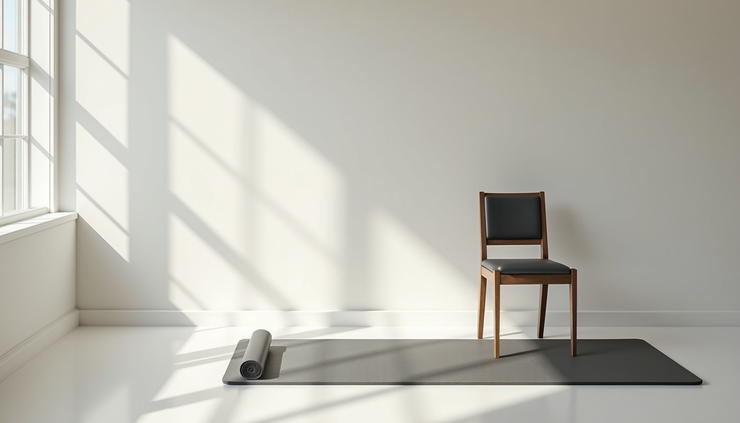
Use a sturdy chair or support: Have a chair nearby for balance support during standing exercises.
Ensure good lighting: Bright, even lighting helps you see obstacles and maintain focus.
Choose a flat, non-slip surface: Avoid slippery floors or uneven ground.
Keep emergency contacts handy: Have a phone nearby in case you need assistance.
A well-prepared environment allows you to focus on your exercises without worrying about safety risks.
Start with Simple, Low-Impact Exercises
When beginning your program, choose exercises that are gentle and easy to perform. This approach helps build confidence and reduces the chance of injury.
Balance exercises: Standing on one foot, heel-to-toe walking, or shifting weight from side to side.
Strength exercises: Chair squats, leg lifts, or wall push-ups.
Flexibility exercises: Gentle stretches for calves, hamstrings, and shoulders.
Practice exercises: Get familiar with using fall recovery aids to avoid surprises when they are needed.
Gradually increase the difficulty and duration as your strength and balance improve. Listening to your body and avoiding pain is essential.
Monitor Your Body’s Response
Pay attention to how your body feels during and after exercise. Signs like dizziness, sharp pain, or excessive fatigue indicate you should slow down or stop.
Keep a journal: Track exercises, duration, and any discomfort.
Adjust intensity: Modify exercises to match your current fitness level.
Consult a healthcare provider: Especially if you have chronic conditions or concerns about your balance.
Regular monitoring helps you progress safely and avoid setbacks.
Consider Professional Guidance
Working with a physical therapist or certified trainer experienced in fall prevention can provide personalized advice and ensure you use proper techniques.
Get an initial assessment: Identify specific balance or strength issues.
Learn correct form: Prevent injuries by performing exercises correctly.
Receive motivation and support: Professional guidance can keep you accountable.
If professional help is not accessible, look for reputable online resources or community classes focused on fall prevention.
Maintain Consistency and Patience
Building strength and balance takes time. Consistent practice, even for short periods daily, leads to better results than occasional intense sessions.
Set realistic goals: Aim for 15 to 30 minutes of exercise most days.
Celebrate small improvements: Notice better balance or increased stamina.
Be patient: Progress may be slow but steady.
Consistency helps make fall-prevention exercises a habit that supports long-term safety.


Comments