
Tools for Independent Living: Enhancing Mobility and In-Home Safety
Updated: Apr 13
When it comes to independent living challenges, mobility and safety are paramount. Getting up or down to the floor can be a significant risk for anyone with limited mobility and who is prone to falling. That’s why having the right tools and techniques for independent living is essential. We want to share insights into straightforward solutions that empower individuals at home to manage falls and transfers independently and with confidence. Seniors and disabled persons who are not currently receiving medical care or treatment can reduce their need for 24/7 caregiver assistance and improve fall protection by selecting the right assistive tools.
Understanding Tools to Support Independent Living
Tools for independent living generally refer to devices designed to assist with common daily living tasks for disabled persons, seniors, and others who want the freedom of mobility, safe transfers, and fall-recovery options. These tools are designed to minimize the risk of injury to both the individual and their caregivers. They range from mechanical lifts and transfer belts to portable devices that promote self-recovery after a fall.
One of the most exciting advancements in this field is the development of portable, non-medical mobility aids that users can operate independently. These devices are lightweight, easy to use, and designed to fit seamlessly into daily life. They provide a sense of security and autonomy within the home, which is crucial for maintaining dignity and confidence.

For example, the ResQUp is a portable device that helps seniors, wheelchair users, and others with mobility challenges recover from falls without needing specialized care. This kind of innovation is a game-changer because it addresses a common barrier to independent living - the fear of falling.
Basic Safe Patient Handling Tools Everyone Should Know
In general, the following tools can make a significant difference in daily mobility, safety, and assistance in living independently with little or no assistance from a caregiver:
Transfer Boards: These smooth, flat boards help bridge the gap between a wheelchair and another surface, like a bed or chair, making transfers easier and safer without standing up.
Transfer Belts: Worn around the waist, these belts provide caregivers with a secure grip on the patient and balance control while standing or moving.
Portable Fall Recovery Aids: Allows users to safely recover to a seated or standing position after a fall with or without external help.
Mechanical Lifts: Mostly used in clinical and adult care settings, these lifts help caregivers actively assist patients in getting up from the floor with little or no patient involvement.
Each tool has its optimal utility depending on the user's living environment. Assessing and choosing the right equipment involves considering factors such as the user’s strength, mobility level, living accommodations, and physical needs.
How to Incorporate Safe Handling Equipment into the Home
Properly incorporating safety equipment in the home to improve mobility is critical for preventing injuries and ensuring the tools work effectively. Here are some essential practices:
Training and Familiarity: Users and caregivers should be trained on how to use each tool properly. This includes understanding the tool's physical limitations, proper positioning for maximum effectiveness, and operating efficiency.
Regular Maintenance: Equipment should be inspected regularly for cleanliness and readiness. Damaged tools can fail and cause injuries.
Clear Communication: Establish communication protocols with the person being assisted. Explain what you are doing and encourage/remind them to participate as much as possible.
Environmental Safety: Take all fall-prevention and protection measures to ensure the living area is free of physical hazards that could cause slips or trips during transfers or fall recovery.
By following these guidelines, both users and caregivers can maximize safety and effectiveness when using patient handling tools.
How The ResQUp Supports Independent Living
The ResQUp is a unique addition to the range of safe patient handling equipment and tools. Unlike traditional aids, it is designed specifically for self-recovery after a fall. Here’s how it supports safety and independence:
Portability: Lightweight, compact, and versatile, it can be easily carried anywhere and is ready when needed, ensuring help is always within reach.
Non-Electric: No batteries or power sources are needed, making it a reliable resource in any domicile.
User-Friendly Design: Simple to operate, even for those with limited strength or dexterity.
Promotes Individual Freedom: Users can recover from non-injurious falls without caregiver assistance, thereby reducing fear of being unable to get back up after a fall.
Reduces Caregiver Risks: Enabling self-recovery reduces caregivers' exposure to injuries and the uncertainty of not knowing how to help.
The ResQUp exemplifies how independent living tools can transform lives by prioritizing user empowerment. As our founding Doctor of Physical Therapy stated:
"From a therapy standpoint, the goal is to use the least restrictive device to accomplish a task while allowing maximum patient participation.”
Practical Tips for Using Tools for Independent Living
To get the most out of any independent living tool, consider these practical tips:
Assess Your Needs: Understand your mobility level and challenges to select the most appropriate equipment.
Practice Regularly: Familiarity with the device increases confidence and effectiveness during real situations.
Keep Equipment Accessible: Store tools in easy-to-reach places to ensure quick access when needed.
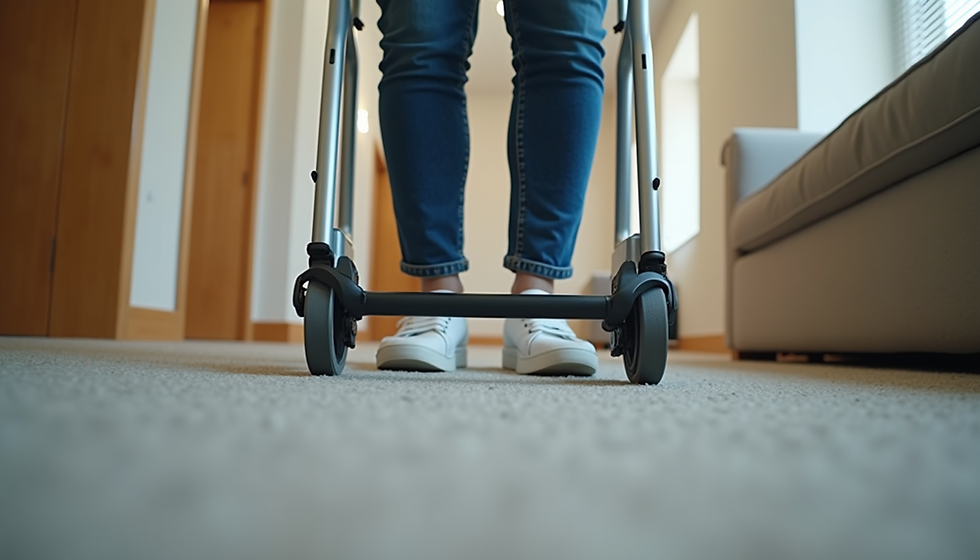
Combine Tools When Necessary: Sometimes, using tools in combination with other assistive devices (transfer boards and belts, walkers, rollators, etc.) can provide more options for fall recovery and mobility.
Seek Professional Advice: Physical and occupational therapists, mobility specialists, and in-home caregiver services can recommend the best tools and techniques tailored to the individual needs of seniors and others who live by themselves. This is especially true for wheelchair users with paralysis, spinal cord injuries, Parkinson's Disease, and other neurological and physical disabilities.
By integrating these tips into their daily routines, users can significantly enhance their safety, confidence, and independence.
Empowering Independent Living with Innovative Solutions
Tools for independent living are more than just non-medical assistive equipment - they are enablers for unrestricted mobility and instill a sense of physical security. Devices like The ResQUp demonstrate how thoughtful design can address real challenges faced by wheelchair users and individuals with mobility challenges. Even if it is simply a matter of deciding how to get down or up from the floor. The personal freedom to make one's own decisions about what tool is needed and when is, by nature, what "independent living" is all about.
If you want to learn more about other independent living tools designed to improve safety and quality of life, you’ll find a variety of options by visiting the websites of durable medical equipment retailers or contacting in-home caregiver organizations. Remember, the right tools combined with proper techniques can make all the difference in maintaining independence and reducing the risk of injury.
By embracing these best practices, individuals can navigate their physical environments with greater ease and confidence, while caregivers can promote their loved ones' independent living more confidently, effectively, and safely.


Comments